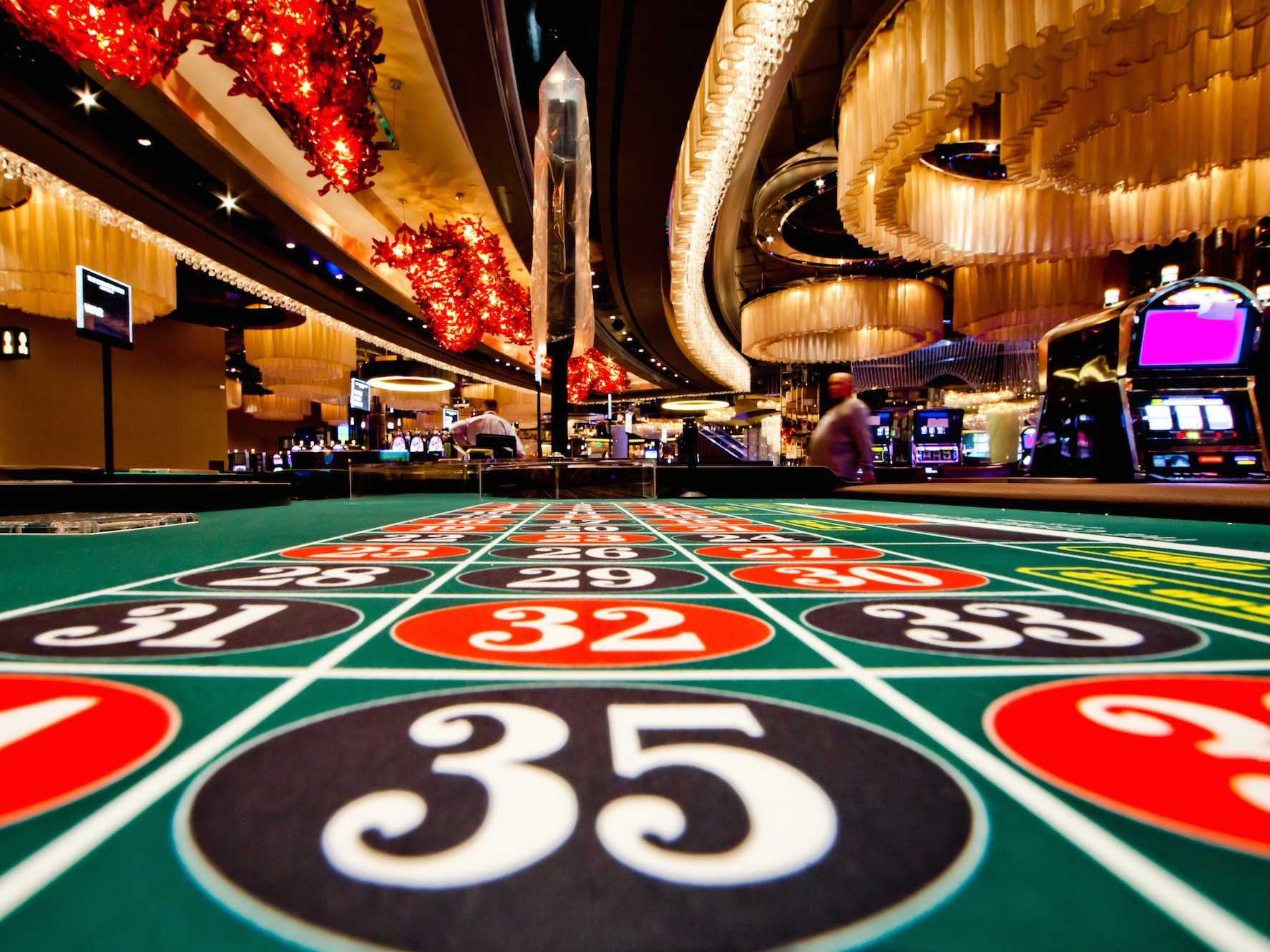
I’ve dedicated enough time walking casino floors to know that high limit tables have a certain mystique, but they cease to be intimidating the moment you comprehend how they actually work. When I discuss with players curious about stepping up from standard stakes, the questions almost always revolve around minimum bets, comps, etiquette, and whether the house edge changes. High limit tables are built for players who want bigger action, faster decisions, and a more private environment, but the games themselves follow the same mathematical principles. In the UK, you’ll find these exclusive areas in land-based venues from London to Manchester, and online platforms like Cashbox Casino have adapted the concept brilliantly for digital play. My aim here is to guide you through every practical aspect of high limit gaming so you can determine whether it fits your bankroll, your temperament, and your overall approach to casino entertainment.
What Really Determines a High Limit Table
First, let us clarify that no global standard distinguishes regular and high limit tables. At most UK casinos, a blackjack table with a minimum bet of £25 or £50 is still regarded as standard, whereas high limit often starts at £100 per hand and can reach £500 or £1,000 minimums without hesitation. Roulette high limit tables often have £50 minimums on outside bets and substantially higher straight-up chip requirements. What gives the designation significance is the blend of wagering thresholds and the manner in which the operator treats the players present. You will typically find these tables cordoned off in a dedicated salon privé on a physical casino floor, run by more experienced dealers and pit bosses who maintain the game pace at a pace that reflects the money in play. In the online space, the definition shifts to table limits that go beyond the standard lobbies, with VIP-branded live dealer studios where maximum bets can hit five or six figures for those who qualify.
Betting Limits and What They Mean in Practice
When I look at a high limit table’s minimum and maximum spread, I’m genuinely gauging how much flexibility it gives a player’s strategy https://casinocashbox.co.uk. A £100 minimum with a £5,000 maximum delivers a 1:50 spread, which is feasible for conservative progression betting but likely limiting for aggressive negative progression like a Martingale after a few consecutive losses. A £500 minimum with a £20,000 ceiling provides you a 1:40 ratio, and at that level you must be utterly comfortable with seven consecutive losing rounds costing over £63,000 if you double each time. The practical implication is that high limit play requires a session bankroll substantially greater than what you might reserve for an evening at £10 tables. I always suggest that anyone moving up has at least fifty times the table minimum for a single session, so on a £200 blackjack table you would want £10,000 set aside solely for that game. This doesn’t concern pessimism; it’s about preventing emotional decisions when variance goes against you.
The Distinction Between VIP and Public High Limit Areas
There is a meaningful distinction I want to point out between tables that are publicly available with elevated limits and those designated for by-invitation VIP programmes. Public high limit tables are open to any player who meets the minimum buy-in, and you will find these in most larger UK casinos as well as on the premium pages of sites like Cashbox Casino. The VIP-only tables function differently: they are often hosted in private rooms with dedicated account managers, adjustable limit agreements, and comp structures arranged individually. In an online context, this translates to bespoke table arrangements where a player might request a specific dealer, game variant, or maximum bet that surpasses published caps. If you are playing at a level where this becomes pertinent, the operator’s VIP team will typically get in touch proactively rather than forcing you to pursue the access. For the majority of high limit fans, the publicly available premium tables deliver all the elevated action they need without the relationship management that true whale status requires.
Special Considerations for UK Players at VIP Tables
The UK holds a special position in the global high limit landscape because of how the regulatory environment aligns with player protections and taxation. Unlike some jurisdictions where casino winnings are taxed, UK players hold onto every pound they win, which changes the effective return calculation considerably when you are operating at high limits. A £10,000 winning session is £10,000 in your pocket with no capital gains or gambling duty to deduct. The Gambling Commission’s licensing requirements also ensure that any online platform offering high limit tables to UK residents, including Cashbox Casino, must segregate player funds from operational accounts, maintain transparent complaints procedures, and adhere to strict anti-money laundering protocols that include source-of-funds checks at elevated deposit thresholds. I raise this last point because high limit players depositing five-figure sums should expect and be prepared for requests to document the origin of those funds. This is not suspicion; it is a regulatory obligation that every compliant operator must fulfil, and being organised with bank statements or payslips in advance eases the process considerably.
In what manner Comps and Rewards Grow with High Limit Play
Among the most concrete differences I observe between standard and high limit gaming is the way the operator assesses your action through comps, cashback, and loyalty points. On a £10 blackjack table producing perhaps 80 hands per hour, your total wagering volume reaches £800, which yields a modest trickle of points in most programmes. Switch to a £500 table with the same pace, and you are putting £40,000 per hour through the system, which commands attention. In UK land-based casinos, this results in dedicated hosts, complimentary dining and accommodation, event invitations, and sometimes direct loss-rebate agreements that give back a percentage of negative sessions. In the online space, Cashbox Casino and similar platforms typically demonstrate this through tiered loyalty schemes where high limit play moves you into upper VIP echelons, providing faster withdrawal processing, higher deposit limits, personalised bonus offers, and tangible gifts. I always suggest players to actively ask about the comp structure before committing significant volume, because unclaimed rewards are essentially abandoning money on the table that the house has already factored into your theoretical value.

Understanding the Comp Math Without Getting Lost in It
There is a clear formula I use to calculate what my play is worth in comps so that I can assess whether the rewards justify the expected loss. The casino calculates your theoretical loss by factoring your average bet, hands per hour, hours played, and house edge. On that £500 blackjack example with a 0.5% edge over four hours, your theoretical loss is £500 × 80 hands × 4 hours × 0.005 = £800. In a typical UK loyalty programme, you might get comps worth 20% to 40% of that theoretical figure, amounting to somewhere between £160 and £320 in tangible value. This could come as bonus credit, dining vouchers, or tournament entries. What I want you to grasp is that comps do not turn a negative-expectation game into a profitable one; they merely reduce the cost of entertainment. If the comp percentage goes above 40%, you are likely dealing with a programme designed to aggressively acquire or retain high-volume players, and those terms rarely persist indefinitely without adjustment.
What Games Deliver the Finest High Limit Experience
Few casino games performs the same to high stakes, and I have found that the games where skill influences the outcome usually draw the most serious high limit action. Blackjack leads of that list, particularly in its traditional shoe-dealt format where a player can employ basic strategy and, in some jurisdictions, legally advantage-play techniques without crossing into card counting territory that would attract heat. Baccarat is the second pillar of high limit rooms, and in the UK it often follows the punto banco variant with its simple player-versus-banker dynamic that requires no decisions beyond the initial wager. Roulette maintains its place in the high limit sphere, especially European single-zero wheels where the house edge is a clean 2.70%, making large outside bets more sustainable over time. For poker-based games, Casino Hold’em and Three Card Poker appear frequently at elevated limits, though the house edge on these tends to be higher than on blackjack, so I approach them more cautiously with a recreational mindset.
High Stakes Blackjack: What Shifts and What Remains Constant
I have to be frank about this: the basic strategy chart that indicates when to hit, stand, split, or double does not change one iota when zeros are added to your bet. A hard 16 against a dealer’s 10 is still a surrender if available, or a hit if surrender isn’t offered, whether you have £10 or £10,000 on the felt. What does shift is the poise required to perform those decisions correctly under financial pressure. High limit blackjack tables in the UK usually use six or eight decks dealt from a shoe, with the dealer standing on all 17s, and surrender often available, which gives you a house edge around 0.45% to 0.55% with perfect basic strategy. I have also noticed that high limit tables are more likely to offer even-money payouts on blackjack if the dealer shows an ace, but you should refuse that insurance-like shortcut every single time because it erodes your long-term return. Pace matters too: a full high limit table might play 60 to 80 hands per hour, meaning your theoretical loss per hour on a £200 average bet sits around £90 to £110, a number worth absorbing before you sit down.
Baccarat: The Understated Powerhouse of High Limit Rooms
I have always discovered baccarat to be the game that best captures the rhythm of high limit play because it strips away nearly all decision-making and lets the cards dictate the outcome. You make a wager on Player, Banker, or Tie, and the dealer handles everything else. The Banker bet carries a house edge of just 1.06% after accounting for the 5% commission on winning Banker hands, making it one of the most beneficial wagers in the entire casino. High limit baccarat tables in UK venues and on platforms like Cashbox Casino often feature the squeeze ritual in live dealer formats, where the dealer slowly reveals cards to build tension, adding a ceremonial layer that many high-stakes players genuinely savor. Minimums in dedicated baccarat rooms can reach £1,000 per hand, and the game’s relatively low volatility compared to roulette means a session can sustain itself longer without the wild swings that drain a bankroll prematurely. If I were advising a player transitioning to high limits for the first time, baccarat would be my top recommendation simply because the house edge is low and the pace feels refined rather than frantic.
The roulette wheel and the Single-Zero Advantage
I cannot overstate enough how important it is to choose European roulette rather than its American counterpart when you are risking serious money to the wheel. The single zero on a European layout yields a 2.70% house edge, while the double-zero American wheel doubles that to 5.26%, an vast gulf when you are putting bets of £100 or more per spin. High limit roulette tables in the UK are nearly always European, and many online premium studios now feature immersive camera angles that follow the ball in slow motion. I approach high limit roulette with a focus on outside bets—red/black, odd/even, high/low, dozens, and columns—because they give the most spins for your session bankroll and reduce the variance per decision. A £500 even-money outside bet has a 48.6% chance of winning on a single-zero wheel, and while the house still keeps its mathematical edge, you are not wasting capital at the rate that inside straight-up bets would lead to. For those who appreciate the thrill of number bets, I recommend keeping them as a small fraction of your total action rather than the https://www.bbc.co.uk/schedules/p00fzl9s/2024/08/12 core of your strategy.
Money Management Tailored for High Limit Sessions
Money management at high stakes is essentially different from the casual advice I offer to recreational players. The core principle stays—never wager with money you cannot spare to lose—but the execution becomes more granular because the absolute numbers are bigger and the psychological traps are amplified. I arrange a high limit session with three distinct pools: the session bankroll that I am ready to put at risk this evening, a stop-loss figure that triggers an automatic exit, and a win goal that prompts me to thoroughly consider securing profits. For a £200 minimum blackjack table, I might set a session bankroll of £10,000, a stop-loss of £6,000, and a win goal of £4,000. These numbers are subjective and should reflect your financial reality, not someone else’s. The critical discipline is honouring the stop-loss when it hits, because high limit tables can create losing streaks that speed up faster than you predict, and recovering losses at elevated stakes is the fastest route to a seriously damaging outcome.
Session Structuring: Time, Intervals, and Cognitive Fatigue
I have learned through experience that high limit play creates a particular kind of mental fatigue that does not manifest at lower stakes. Every decision has outsized consequence, and sustaining focus for hours needs more cognitive energy than most players anticipate. My practical recommendation is to break a high limit session into 45-to-60-minute blocks split by mandatory breaks of at least 15 minutes where you walk away from the table entirely. During those breaks, review your position relative to your stop-loss and win goal without making any adjustments—just watch and let the numbers register. Decision fatigue in blackjack leads to basic strategy errors that bleed edge, and in baccarat it can tempt you toward the terrible Tie bet with its 14.4% house edge. Online play at Cashbox Casino’s premium tables gives you the edge of pausing without physical table pressure, but the discipline to actually take breaks must originate from you, not from the software.
Conduct and Manners at High Limit Tables
There is an unwritten code at high limit tables that I think is valuable learning before you find yourself in an uncomfortable situation. The first rule is that the pace of the game is set by the players with the largest action, and inserting yourself into a high limit table with the minimum buy-in while repeatedly slowing down decisions will not endear you to the dealer or the other seats. Handle your chips clearly, signal your intentions decisively, and do not touch your bet once the hand or spin has begun. In blackjack, verbal commands are recommended at high stakes because they are clear and recorded by surveillance; a calm “stand” or “double” prevents any dispute about hand signals. Tipping practices at high limit tables tend to be more organized—players placing £500 bets will often place a separate bet for the dealer at regular intervals rather than tossing chips after winning hands. Online high limit tables strip away most of these interpersonal dynamics, but in live dealer formats you still communicate through the chat function, and maintaining courteous communication with the dealer reflects well on you as a player.
Virtual High Limit Tables Versus Physical Rooms
The virtual transformation of high limit gaming has created a scenario where you can join £500-minimum live dealer tables from your living room, and I feel this has fundamentally changed who plays at these stakes. Land-based high limit rooms in London clubs like The Ritz Club or Les Ambassadeurs offer an ambiance that cannot be duplicated digitally—the room itself, the personal service, the tangible chips, and the social dimension all contribute to an experience that merits the journey for many players. Online platforms, however, offer advantages that are equally real: a wider selection of table limits at any given hour, the ability to play across multiple operators to compare comp offers, and the removal of travel costs that can eat into a session bankroll. Cashbox Casino’s high limit vertical features live dealers streamed from professional studios, often with dedicated tables where the pace can be adjusted to suit a single high-volume player rather than a full table of mixed stakes. The key difference I observe is that online high limit play requires even stronger personal discipline because there is no floor manager or fellow player to provide a social check on impulsive behaviour.

Technical and Equity in Digital High Limit Gaming
When I come across scepticism about the fairness of online high limit tables, I point to the regulatory framework that governs UK-licensed operators. The Gambling Commission mandates that all game outcomes be determined by certified random number generators or, in the case of live dealer studios, by physical equipment subject to regular audit and card-deck rotation protocols. For live blackjack, the shoes are shuffled on camera, and the dealing procedures meet the same standards you would expect in a brick-and-mortar casino. The return-to-player percentages for each game variant are displayed and audited, and I advise anyone stepping into online high limit play to review these documents on the operator’s site before depositing. On the technology side, the streaming quality at premium tables is now sufficiently advanced that multiple camera angles show every detail, and latency is low enough for real-time decision-making without frustrating delays. The experience has evolved to a point where the trust question is determined by regulation rather than reputation alone.
Are High Limit Tables Right for You? A Practical Decision Framework
I have helped enough players consider this decision to distill it into a few questions that break through the excitement and emphasize sustainability. First, does your current bankroll readily absorb a losing session at the target minimum without influencing your lifestyle or obligations? If the answer needs mental gymnastics to justify, you are not ready. Second, can you execute optimal strategy flawlessly under pressure, particularly in blackjack where a single error costs real expected value? If you are still checking a chart, train at lower stakes until the decisions become automatic. Third, are you moving up because the limits stimulate you or because you truly want the enhanced experience, privacy, and comp structure that high limit tables offer? Motivation matters because the former causes overbetting. Finally, have you verified that the specific high limit tables you are targeting—whether at a London club or on the Cashbox Casino platform—carry the favourable rule sets and house edges that make extended play viable? If you can answer yes honestly to all four, then high limit play becomes a legitimate next step rather than an aspirational leap. Start at the lower end of the high limit spectrum, log your results meticulously, and let the data guide whether you increase, hold, or step back. The tables will always be there, and the best high limit players I know are the ones who handle the stakes with respect rather than bravado.
